
Connect
© 2026 Kyekyekule Africa. All rights reserved.
kyekyekule.africa
© 2026 Kyekyekule Africa. All rights reserved.
kyekyekule.africa
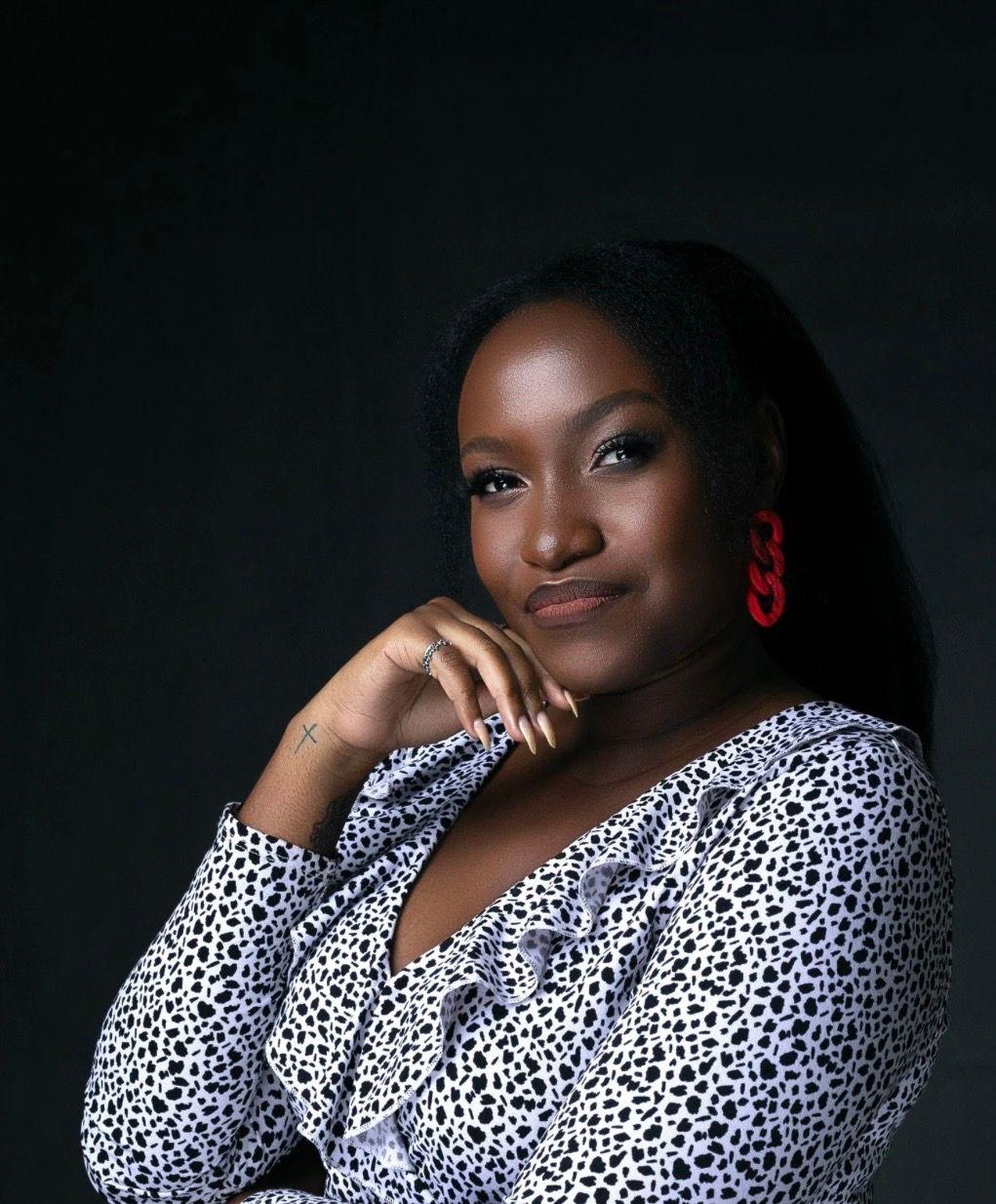
Mixed-Media Artist
Uganda
Textile, Beads & Threads

Emmanuel Agyapong
Author
Published on:
November 16, 2026
Based in Kampala, Uganda, Charlene Komuntale is a mixed-media artist whose practice examines how beauty, identity and social value are constructed and understood. Trained in animation, she began her career working with illustration and digital painting before gradually incorporating textiles, embroidery, beadwork and other materials into her work.
This movement beyond the digital image has become an important development in her artistic practice, allowing her to explore familiar concerns through a more tactile and layered visual language.
Komuntale’s work is particularly concerned with the systems that determine how bodies, histories, labour, knowledge and identities are seen and valued. Drawing from personal experience, the lives of women around her, historical references and the natural world, she examines the relationship between inherited expectations and lived realities.
Her subjects often centre Black African women, considering how cultural narratives, beauty standards and patriarchal structures influence the ways women are represented and understood.
Moving Beyond Commissioned Images

Charlene Komuntale, LIBERATION DRESS, 2023 Digital Painting 80x60cm Image credit: Courtesy of Afriart Gallery and the artist.
Komuntale studied animation at Limkokwing University in Malaysia, graduating in 2015. After returning to Uganda, she worked as a freelance artist, producing commissioned portraits and illustrations for individuals and businesses. Her training in animation introduced her to storytelling, image construction and concept development, elements that continue to inform her approach to art.
However, working primarily on commissions meant producing images in response to other people’s requirements. A significant change came in 2021, when she participated in the Silhouette Projects residency programme associated with Afriart Gallery in Kampala. The residency gave her time to move away from client-led work and develop a more personal artistic direction.
This period led to Not Fragile, a series centred on Black African women and questions of strength, individuality and self-expression. Rather than relying on conventional portraiture, Komuntale introduced unexpected visual elements, including covered or obscured heads and symbolic objects, to construct narratives around women’s identities and positions in society.
In works from this period, the figures are often presented in compositions that appear quiet and considered, while the ideas beneath them are more assertive. The imagery challenges familiar representations of Black women and considers the expectations placed on them by cultural, religious and social structures.
Not Fragile: Reconsidering the Representation of Black Women
Not Fragile marked an important turning point because it allowed Komuntale to move from producing images for clients to developing work around subjects she wanted to address. The series considers the ways Black women are represented, the assumptions attached to their identities and the limitations imposed on their choices and self-expression.

Charlene Komuntale, VIOLE(N)T DRESS, 2022 Digital Painting 90x90cm Image credit: Courtesy of Afriart Gallery and the artist.
In Viole(n)t Dress (2022), a digital painting from the series, Komuntale addresses the limited spaces available for Black women to represent themselves. The work presents a strong, outspoken woman and considers the resistance that can accompany women’s voices when they challenge established expectations. Its title draws attention to the hostility directed towards women who refuse to remain within socially accepted boundaries.

Charlene Komuntale, AQUA DRESSES (2022), Digital Painting 70x70cm Image credit: Courtesy of Afriart Gallery and the artist.
Another work, Aqua Dresses (2022), considers liberation from the structures and beliefs that restrict women’s lives. Its depiction of one woman helping another break free from these constraints introduces an idea of solidarity: the importance of women supporting one another without seeking recognition for every act of care.

Charlene Komuntale, VALIANT DRESS, 2023 Digital Painting 70x70cm Image credit: Courtesy of Afriart Gallery and the artist.
In Valiant Dress (2023), Komuntale turns her attention more directly to beauty standards. A woman stands before a clothesline carrying fabric marked with the words “beauty standards”. The expansive sky suggests how far-reaching these expectations can become, while the woman’s act of unravelling the fabric represents an attempt to question and dismantle them.
Together, these works establish an interest in the relationship between representation and agency. Komuntale is not simply presenting women as subjects of beauty or strength; she is examining who determines the terms through which those qualities are recognized.
Threads: Beauty, Control and the Labour of Adornment

Charlene Komuntale, Threads Among Flames, 2025, digital print on fabric, beads, threads, satin and mesh, yarn, and organza, 110 × 85 cm. Image credit: Courtesy of Afriart Gallery and the artist.
Komuntale’s ongoing series, Threads, develops these questions through a more material approach. Beginning with the question, “What governs our understanding of beauty?”, the series considers how ideas about appearance are formed, inherited and internalized.
The corset becomes a central object through which she explores this subject. Historically associated with the shaping and control of women’s bodies, it also has a more complicated relationship with fashion, self-presentation and the creation of visual presence. Komuntale is interested in this contradiction. Rather than presenting the corset as entirely oppressive or empowering, she treats it as a point of discussion between autonomy and conformity, freedom and restriction.
In the works, women pull at and unravel their corsets, allowing beads and other materials to emerge. This gesture becomes a way of questioning the histories, memories and expectations embedded in the things women wear and the standards they are encouraged to accept.
The materials are central to the meaning of the series. Beads, thread and textiles carry associations with adornment, care and the often-unrecognised labour involved in making and maintaining appearances. Measuring tape introduces another dimension, pointing to the ways bodies are assessed, measured and judged against established ideals.

Charlene Komuntale, THREADS IN THE FURNACE, 2025 Digital fabric print, Beads, threads, satin, mesh, pastels, measuring tape 110 x 80 cm Image credit: Courtesy of Afriart Gallery and the artist.
In Threads Among Flames (2025), digital printing on fabric is combined with beads, threads, satin, mesh, yarn and organza. Threads in the Furnace (2025) brings together digital fabric printing, beads, threads, satin, mesh, pastels and measuring tape. Both works extend the series’ investigation of beauty, memory and the tensions between exposure and restraint.
The act of unravelling is especially significant. It suggests that inherited ideas do not have to remain unquestioned. By pulling apart the materials associated with beauty and bodily presentation, Komuntale creates a visual process through which viewers can consider where their own ideas about beauty originated: family, history, media, fashion or cultural expectations.
A Shift in Material and Meaning
The development from Komuntale’s earlier digital paintings to her recent mixed-media works is more than a change in technique. It has altered how her ideas are expressed and how viewers encounter them.
In her earlier process, photography provided a starting point for her compositions. She has discussed using her sisters as models, photographing and posing them before developing the images in Adobe Photoshop. Digital layers allowed her to experiment with different arrangements and visual elements, giving her flexibility in constructing each scene.
Her later work retains digital image-making but moves beyond the screen. Printed fabric becomes a surface for embroidery, beading and other interventions. The image is no longer the final outcome; it becomes part of a physical construction.
This shift gives the materials an active role in the work. Thread can suggest connection, repair or unravelling. Beads draw attention to adornment and the labour behind it. Measuring tape brings the assessment of bodies into the composition, while fabric and corsets introduce questions about how clothing shapes both physical appearance and social perception.
Her 2023 artist residency at The Mill in Adelaide, Australia, provided an opportunity to explore working beyond her established digital process. The experience challenged her to approach making in a different way and contributed to the development of her material practice.
An Expanding Artistic Practice

Charlene Komuntale, THREADS OF HIDDEN STRANDS, 2025 Digital fabric print, Beads, threads, satin, mesh, yarn, stiff net 95 x 40 cm Image credit: Courtesy of Afriart Gallery and the artist.
Komuntale’s work has been presented through exhibitions and international art fairs, including Eastern Voices: Contemporary Art from East Africa at Addis Fine Art in London in 2023, and presentations at Investec Cape Town Art Fair and Art Basel Miami Beach in 2025. She also held her debut solo exhibition, Sit with Me – The Diary of a Free Thinker, at Afriart Gallery in 2023.
In 2026, she was shortlisted for the Sovereign African Art Prize, with Threads in the Furnace among the works associated with her current practice. The nomination recognizes a body of work that has continued to develop its investigation of beauty, visibility and value.
Represented by Afriart Gallery in Kampala, Komuntale has built a practice that connects digital image-making with the physical histories carried by textiles and objects. Her work moves between personal experience and wider social structures, asking how ideas about women are formed, maintained and challenged.
Across Not Fragile and Threads, the central concern remains consistent: the ways women are seen, represented and valued. What has changed is the material language through which she approaches these questions. By bringing together images, fabric, beads and thread, Komuntale makes visible the expectations woven into everyday ideas of beauty, while leaving room to consider how they might be questioned, unravelled and reimagined.