
Connect
© 2026 Kyekyekule Africa. All rights reserved.
kyekyekule.africa
© 2026 Kyekyekule Africa. All rights reserved.
kyekyekule.africa

Emmanuel Agyapong
Author
Published on:
October 10, 2026
The 16th edition of the Biennale of Contemporary African Art, known as Dak’Art, will take place from 19 November to 19 December 2026 in Dakar, Senegal, bringing together artists and creative practitioners to explore how art can respond to crisis, transform vulnerability and create possibilities for change.

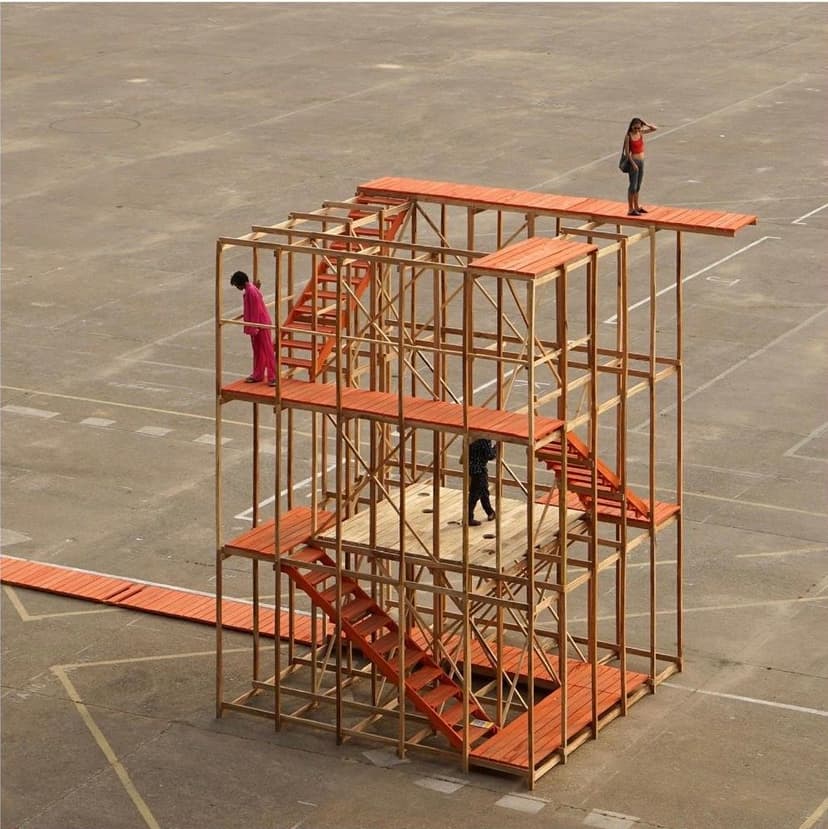
Photo Credit: Courtesy of Dakar Biennale
The Dakar Biennale of Contemporary African Art, known as Dak’Art, has selected 54 artists and artistic collectives for its international exhibition, bringing together practitioners from Africa, Europe, the Americas and the African diaspora for its 16th edition.
Scheduled to take place from 19 November to 19 December 2026 in Dakar, Senegal, the biennale will explore how artists respond to uncertainty, social disruption and environmental challenges through practices of repair, resilience and collective action.
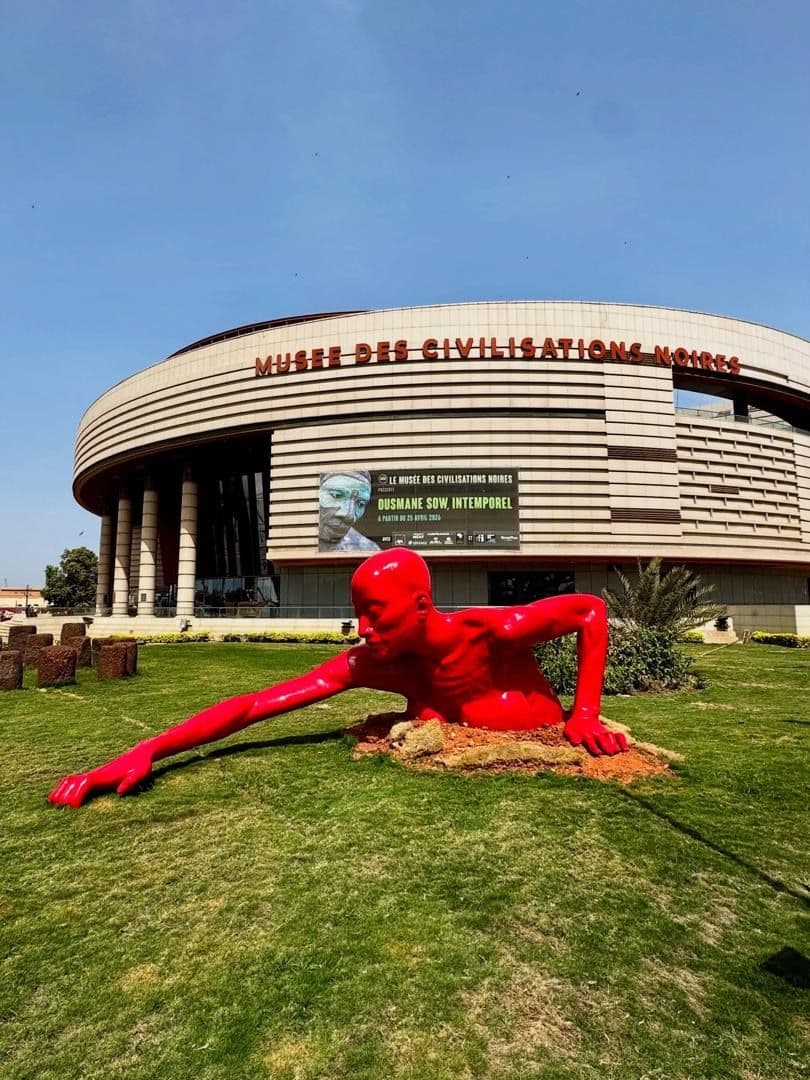
The theme for this edition is “(Anti)fragility: Arts of Repair and Counter-Shock Strategies.” The official selection was announced on 24 September at the Museum of Black Civilisations in Dakar. The organisers received nearly 900 applications before making the final selection.
The selection was led by artistic director Morad Montazami, supported by a curatorial team comprising Madeleine de Colnet, Oulimata Gueye, Delphine Lopez, Fatima Bintou Rassoul Sy and Youssouf Fofana.
A Selection Spanning Countries and Artistic Practices
The 54 selected artists and artistic collectives represent a range of countries, generations and approaches to contemporary art.
The selection brings together established practitioners and emerging voices, including artists whose work has received limited attention within major international art institutions.
The official selection includes Georges Adéagbo, Victor Adewale, Fatiha Zemmouri, Nia Hampton, Dela Anyah, Joey Aresoa, Kolawolé Atcho, Ismail Bahri, Nú Barreto, Hady Barry, M’Barek Bouhchichi, Catherine Boyer, Ernest Breleur, Ibrahima Cissé, known as Déb’s, Kelechi Agwuncha and Kesiena Wanogho.
Other selected artists include Collectif Neve Insular, Collectif Studio Dialogues, Sabrina Da Silva Medeiros, Caroline Déodat, Rashid Diab, Aliou Diack, Eva Diallo, Serigne Ibrahima Dieye, Pape Diop, Mbaye Babacar Diouf, Beau Disundi Nzazi, Safaa Erruas, Stéphane Foucaud, Lungiswa Gqunta, Carla Gueye, Ola Hassanain, Clémence Lollia Hilaire, Miriam Hillawi Abraham and Melinda Fourn-Houngbo.
The selection also features Onyeka Igwe, Hamedine Kane, Alexandra Karakashian, Linda Lamignan, Mohamed Laouli, Renée Akitelek Mboya, Wezile Harmans, Bitibiza Muongo, Cheikh Ndiaye, Ivy Brandie Chemutai Ng’ok, Ibrahima Niang, known as Piniang, Jean David Nkot, Mona Okulla Obua, Vanessa Amoah Opoku, Marcel Pinas, Tabita Rezaire, Kevin Rouillard, Souad Abderasoul and El Hadji Sy.
Together, the selected artists reflect the range of practices shaping contemporary art across different geographical and cultural contexts.
Bringing Emerging and Underrepresented Artists Into View
Visibility is an important consideration in the curatorial approach to this edition.
Montazami has highlighted emerging practices, new artistic perspectives and artists who have not received sufficient recognition within established art institutions as priorities in the selection.
The curatorial team has also considered artists from island and archipelagic territories, where practitioners may face additional barriers to international visibility.
One example is Senegalese artist Pape Diop, a self taught practitioner whose work can be encountered in public spaces, including the streets and pavements of Dakar’s Médina neighbourhood.
His inclusion points to an interest in artistic practices that exist beyond conventional galleries and museums. By bringing such practitioners into the international exhibition, the biennale creates room for a wider understanding of where contemporary art is made and how it reaches audiences.
The selection also includes established artists such as Georges Adéagbo and Ernest Breleur, placing different generations and levels of international recognition within the same program.
Exploring “(Anti)fragility”
The theme, “(Anti)fragility: Arts of Repair and Counter-Shock Strategies,” provides the framework for the 2026 edition.
Rather than treating fragility only as a condition of weakness, the biennale examines how vulnerability and disruption can lead to new forms of artistic expression, cooperation and change.
The curatorial concept considers how artists respond to uncertain social conditions and environmental pressures through practices of repair, recycling, preservation and collective action. It also explores relationships between people and the living world, including the importance of shared knowledge, mutual support and coexistence.
Within this framework, art becomes a way to examine how communities respond to challenges and imagine different ways of living together.
The theme also connects individual artistic practices to wider questions about the present and future. How do people rebuild after disruption? What forms of knowledge help communities adapt? And how can creative practices contribute to new ways of understanding shared problems?
These questions place artistic experimentation alongside social and environmental concerns.
The Design Section Expands the Program
Beyond the international exhibition, Dak’Art 2026 will feature a Design Section comprising 21 selected artistic proposals.
Curated by Senegalese designer Youssouf Fofana, the section expands the biennale’s program beyond its main contemporary art exhibition, bringing design into the discussion of cultural production and creative practice.
Among the Senegalese designers selected are Aïssa Dione, Balla Niang and Mauro Petroni. Their participation forms part of a wider selection that brings together practitioners from different backgrounds.
The inclusion of design creates another perspective on how creative work responds to material, cultural and social conditions, complementing the biennale’s wider interest in repair, transformation and new approaches to shared challenges.
Democratic Republic of the Congo Named Guest of Honor
The Democratic Republic of the Congo has been named the guest of honor for the 2026 edition.
Its participation connects with the biennale’s broader emphasis on resilience, reconstruction and collective responses to difficult circumstances.
The program will also recognise Moroccan artist Faouzi Laatiris as the edition’s Grand Témoin, acknowledging his contribution to contemporary art and artistic education.
A tribute will be dedicated to Senegalese artist Abdoulaye Niokhor Bob, known as Ngor, who died in 2017. The program will also include a Carte Blanche for Senegalese artist Serigne Mbaye Camara.
These presentations add historical and regional perspectives to a biennale that brings together different generations of artists and a broad range of contemporary practices.
Beyond the Main Exhibition
The international exhibition and Design Section will be presented at Dakar’s former Palace of Justice.
Beyond the main venues, the biennale’s Off program is expected to feature more than 400 associated events across Senegal and within the diaspora. These activities will connect the main exhibition to a wider network of artists, cultural organizations and audiences.
The Off program is an important part of Dak’Art’s wider reach, extending artistic activity beyond the official exhibition spaces and creating opportunities for different communities to participate.
The combination of the international exhibition, the Design Section and the associated programme will make the biennale a broad platform for contemporary artistic exchange.
Looking Ahead to Dak’Art 2026
Running from 19 November to 19 December, the 16th Dakar Biennale will bring together artists and designers to examine fragility, repair, resilience and collective life.
The selection of 54 artists and artistic collectives, alongside 21 proposals for the Design Section, reflects the biennale’s interest in bringing established practitioners into conversation with emerging artists and voices that have received less institutional attention.
Under the theme “(Anti)fragility: Arts of Repair and Counter-Shock Strategies,” Dak’Art 2026 will consider how contemporary art can respond to social and environmental challenges while opening up new ways to think about coexistence, collaboration and cultural exchange.
As the biennale prepares to open in November, its central question extends beyond the exhibition halls: how can artistic practices help people understand disruption, repair what has been damaged and imagine different possibilities for the future?
October 16, 2026
October 8, 2026
October 7, 2026
October 7, 2026